A week is not a long weekend
Two nights, you can put up with almost anything. A so-so mattress, lukewarm water, a mini-fridge. Seven nights is different. That's when you notice whether the AC actually reaches the second bedroom, whether the kitchen can handle real cooking or just coffee, and whether the wifi survives a video call on Wednesday morning.
The typical Tulum stay runs five to seven nights, and that's exactly the range where an apartment beats a hotel room. But only if the apartment is actually good. Below is what we'd check before locking in a full week, including the exact questions worth sending by message and the answers that should stop you cold.
The checklist: ten things to verify before you book
1. Where the place actually is
Tulum is two different places sharing one name. There's town, built around Avenida Tulum and Avenida Cobá, where you'll find the supermarkets, taquerías, ATMs, the ADO bus terminal and the people who actually live here. And there's the beach road, a roughly six-mile strip between jungle and ocean with no continuous sidewalk and no regular stores.
"Five minutes from the beach" almost never means walking. Before you book, ask for the cross streets or the approximate map pin and measure it yourself. If the listing won't even name the neighborhood, that tells you something.
For reference, from downtown: Avenida Tulum is a 5-minute walk, the Tulum ruins about 10 minutes by bike, the beach about 10 minutes by taxi, Gran Cenote and Cenote Calavera 8 to 12 minutes by car, and Tulum airport (TQO) about 30 minutes. The area-by-area breakdown is in our guide to where to stay in Tulum.
2. AC in every bedroom, not "in the apartment"
This causes more arguments than anything else. Plenty of listings check the "air conditioning" box when there's one mini-split in the primary bedroom and a ceiling fan in the second. In May, June, August or September, that ruins the week for whoever sleeps there.
Ask it plainly: "how many mini-splits are there and which rooms are they in?" Then the question almost nobody asks: "is electricity included, or billed separately at checkout?" Some Riviera Maya rentals bill power on top, and with two units running all week that is not a rounding error.
3. A kitchen you can actually cook in
Cooking two or three meals a day is the main reason an apartment beats a hotel on a longer stay. But "fully equipped kitchen" can mean almost anything. The minimum you want:
- A full-size refrigerator, not a mini-fridge. Seven days of groceries need room.
- A gas stove with at least two burners that work properly.
- Pots, a pan that isn't scratched to death, a colander and a knife that actually cuts.
- A blender or coffee maker if you drink coffee at home, plus clear counter space.
- A washer if you're traveling with kids or rinsing snorkel gear every day.
Ovens are rare in Tulum apartments, so don't assume one. And ask whether they supply the water jug: tap water in Tulum is not drinkable, in town or at the beach, because the ground here is limestone karst and the town grew far faster than its drainage. A 5-gallon garrafón costs around two dollars at any corner store and covers the week. For the rest of the budget, see how much lodging costs in Tulum.
4. Hot water and water pressure
Gas heater, electric heater or solar. Solar is charming until it rains three days straight and you shower cold. Ask which type it is and whether there's a tank and pump, because pressure in Tulum varies by area and by time of day. If four of you are traveling, the real test is four showers back to back at 8 a.m.
5. Wifi: ask for the number, not the adjective
"Fast wifi" is not information. Ask for a screenshot of a speed test run inside the apartment, dated this week. Look at upload, not just download, because upload is what kills video calls. Also ask whether the signal reaches both bedrooms or only the living room. If you plan to work from here, read Tulum for digital nomads.
6. Shared pool, rooftop and building rules
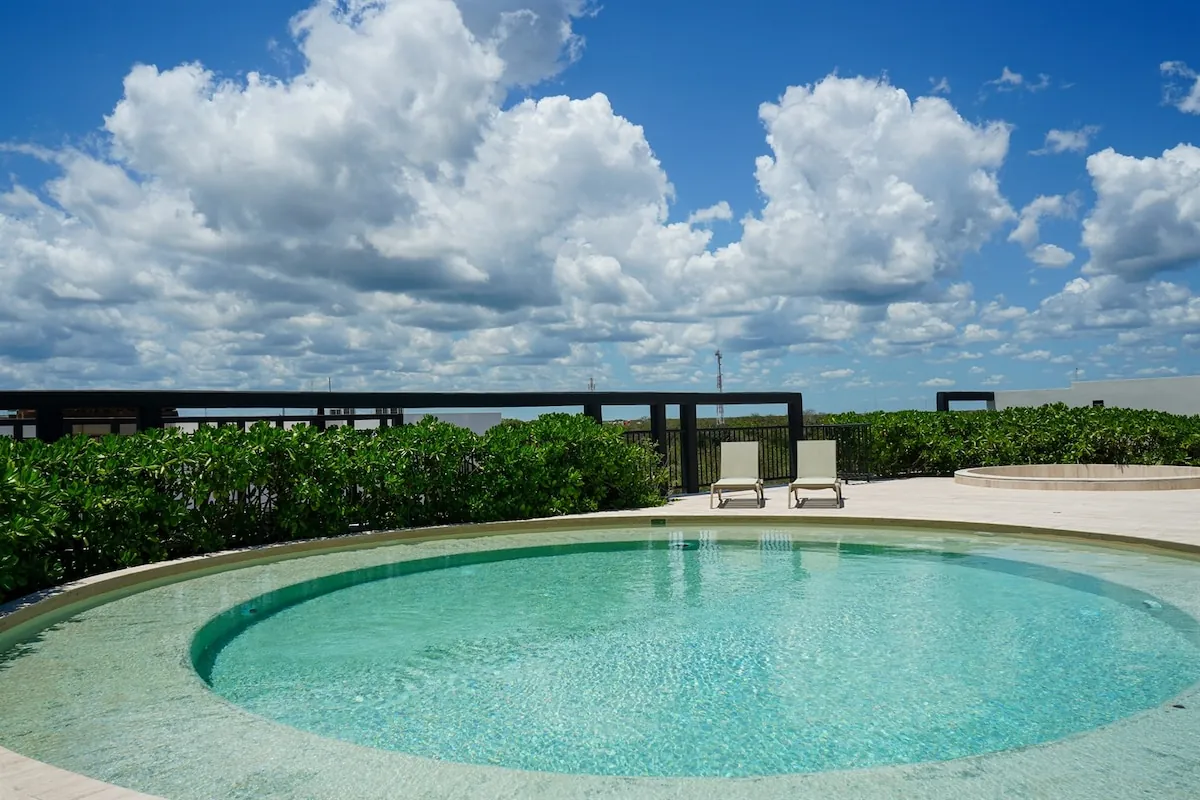
A private pool and a shared pool are not the same thing, and neither one is bad. Finding out on arrival is what's bad. If it's shared, ask about hours (many buildings close the pool at 10 p.m.), noise rules, and whether common areas get rented out for events. Same for the rooftop. A rooftop you can use whenever you want changes how the whole stay feels.
7. How you'll get around for seven days
Uber and DiDi do show up in Tulum now, but don't count on a car being there: coverage is patchy and the apps aren't cleared to pick up at the airport, so taxis still run the show. Taxis have no meters, so you agree on the fare before getting in, and colectivo vans run along the highway. From downtown, most things are walkable or bikeable; for cenotes and Cobá, a car or scooter makes more sense.
If you're renting a car, ask whether the building has parking and whether it's on-site or street. You can compare bike rentals in Tulum and car rentals.
8. Check-in, check-out and who hands you the keys
Flights into Tulum and Cancún land at odd hours. Ask the standard times, whether late check-in costs extra, whether you can drop bags early, and whether a person meets you or it's self check-in with a lockbox. And get a WhatsApp number that answers, not just the platform inbox. If the door won't open at 11 p.m., in-app chat won't help you.
9. Deposit, cleaning fee and the extras at checkout
The nightly rate is half the story. Ask for the full breakdown before you pay:
- Security deposit: how much, how it's taken (card hold or transfer) and how many days until it's released.
- Cleaning fee: spread over seven nights it barely registers; over two nights it's brutal. That's a big part of why the week costs less per night.
- Extra guests: many listings show a base price for two and charge per person from the third guest on.
- Taxes: Quintana Roo's lodging tax is 6% for digital-platform rentals and 5% for hotels. It's usually already included, but get it in writing.
10. Cancellation, hurricanes and sargassum
A week gets booked months out, so the cancellation policy matters far more than it does on a quick getaway. Read whether it's flexible, moderate or strict, and pin down the exact date you still get 100% back.
One thing travelers often learn too late: Airbnb's Major Disruptive Events Policy does not cover a hurricane simply for being a hurricane. Because it's foreseeable during hurricane season, it only applies if it triggers another covered event, such as a mandatory evacuation order or a large-scale utility outage. If you're traveling between June and November, travel insurance does more for you than the platform policy.
And if you come between April and August, sargassum is part of the picture, with May, June and July the most exposed months. University of South Florida satellite monitoring put the summer of 2026 below the 2025 Caribbean record, so it isn't the worst year on file, but it isn't a clean one either. It doesn't wreck the trip, but it does change the beach plan, so keep cenotes on the list. The month-by-month detail is in sargassum in Tulum, and the season comparison in the best time to visit Tulum.
Copy and paste this before you pay
Send it as is. A serious host answers all of it in one message, without dodging.
| What to check | The exact question | Answer you want | Red flag |
|---|---|---|---|
| Location | What are the cross streets? | Street and neighborhood, or a map pin | "Super close to everything" |
| Air conditioning | How many mini-splits and in which rooms? | One per bedroom | "The apartment has AC" |
| Electricity | Is power included in the rate? | Yes, included | Billed by usage at checkout |
| Kitchen | Gas stove, full-size fridge, pots and pan? | A current photo of the open kitchen | Only wide shots or renders |
| Hot water | Gas, electric or solar heater? Is there a pump? | Heater type and confirmed pressure | "It just takes a minute" |
| Wifi | Can you send a speed test from today? | Screenshot with download and upload | "It's great, don't worry" |
| Pool | Private or shared? What are the hours? | A clear answer plus hours in writing | They avoid the word "shared" |
| Parking | Is there a spot for one car? | Yes, on the property | "There's always street parking" |
| Deposit | How much and how fast is it refunded? | Amount and timeline in writing | Cash on arrival, no receipt |
| Cancellation | Until what date do I get a full refund? | A specific date | "We'll figure that out later" |
Make sure your host is legal: RETUR-Q, lodging tax and Visitax
Quintana Roo tightened vacation-rental rules at the end of 2025. Tourist accommodations must be listed in the state tourism registry (RETUR-Q), and under Decree 192, published December 16, 2025, the old SATQ operating license was replaced by the COFE, a state tax-compliance certificate. Airbnb and Booking have already started asking hosts for a registry number to keep listings live.
For you as a guest, that translates into something concrete: if the host can give you a registry number and issue a receipt, you're dealing with a real business that will still exist on your arrival date. If they push you toward a bank transfer to a personal account with no contract and no receipt, walk away.
Separately, foreign visitors pay Quintana Roo's Visitax: 285 pesos per person, once per stay, and the state confirmed it stays flat in 2026. Your rental doesn't collect it; you pay it online. Mexican citizens and residents are exempt.
A week in an apartment vs a week in a hotel
Short version: a hotel gives you daily service and a pool with zero effort; an apartment gives you a kitchen, a washer, two separate bedrooms and enough room that you're not living on top of your family for seven days. With two or more people on a longer stay, the apartment usually wins on total cost, mostly because breakfast and dinner happen at home. The full comparison, including the cases where a hotel genuinely makes more sense, is in apartment or hotel in Tulum.
Why booking direct usually works out better
Platforms take a real cut. Between the commission taken off the host and the fee added to your checkout, what a platform injects into a booking generally lands between 15% and 18% of the total, and Airbnb charges above its standard rate on Mexican listings. It doesn't much matter which line it shows up on: it comes out of the same pocket.
That money comes from somewhere. When you message the host directly, that margin can turn into a better rate, a flexible check-in or an extra night, and you're talking to the person who holds the keys instead of a support center. How to do it safely, what to get in writing and how to pay is covered in booking direct in Tulum without commissions.
One note on pricing: the median nightly rate for a seven-night stay runs about 18% below the one-night rate, and plenty of hosts apply weekly discounts of 10% to 20%. If you don't see one posted, ask. Asking works more often than people expect.
Where to stay for a week in downtown Tulum
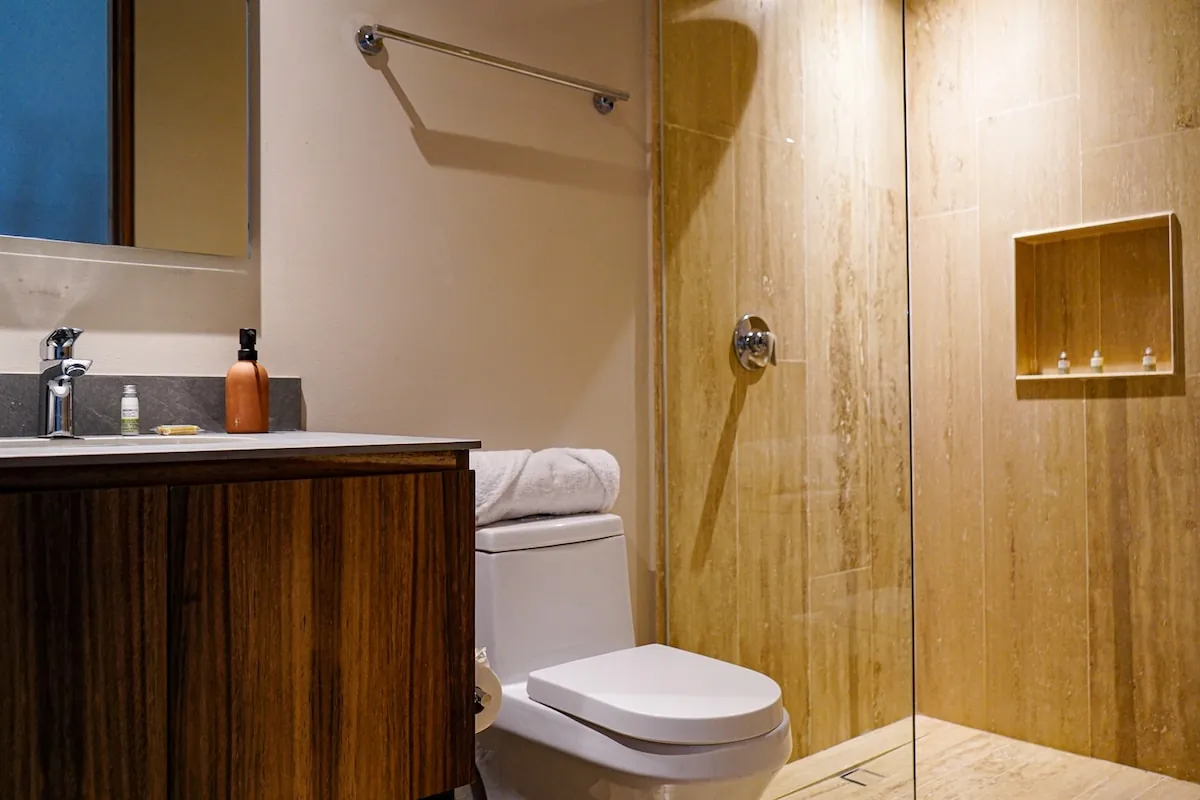
Hacienda Tuk is our apartment on Avenida Cobá, in the center of Tulum town. Two bedrooms, two bathrooms, a full kitchen, a pool and a rooftop. It's built for exactly what this article describes: a practical base for five, seven or ten nights, where you eat breakfast at home, bike out to the ruins, come back and shower, then walk to dinner.
It isn't a hotel and doesn't try to be. It's a real apartment in town, with neighbors, a store around the corner and someone who answers WhatsApp when your flight gets delayed. To see photos, check availability and book direct, here's the apartment for rent in downtown Tulum.
Frequently Asked Questions
Is it cheaper to book a week or separate nights in Tulum?
A week, in almost every case. The median nightly rate for a seven-night stay runs about 18% below the one-night rate, and many hosts apply weekly discounts of 10% to 20%. On top of that, the cleaning fee is spread across more nights, so your cost per day drops twice over. If no weekly discount is posted, message the host and ask for one.
What should I ask about air conditioning before booking?
Two things. First, how many mini-splits there are and which rooms they're in, because plenty of listings say "air conditioning" when only the primary bedroom has it. Second, whether electricity is included in the rate or billed separately at checkout. Two AC units running for seven nights in August is a real number, not a rounding error.
Can you drink the tap water in Tulum?
No. Not in town and not on the beach road. The ground here is limestone karst and development outpaced the drainage infrastructure. Showering and washing dishes are fine, but use purified water for drinking and brushing your teeth. A 5-gallon garrafón costs about two dollars at any corner store and easily covers a week. Ask whether your rental supplies one.
What happens if a hurricane hits during my booked week?
Airbnb's Major Disruptive Events Policy does not cover a hurricane just for being a hurricane, since it's considered foreseeable during hurricane season. It applies when the storm triggers another covered event, such as a mandatory evacuation order or a large-scale utility outage. If you're traveling June through November, buy travel insurance and choose a flexible or moderate cancellation policy.
Is it safe to book direct with the host instead of through a platform?
Yes, as long as you verify who you're paying. Ask for the state tourism registry number (RETUR-Q), a receipt or invoice, a written confirmation with the exact address, dates and full cost breakdown, and use a traceable payment method. Since Decree 192 of December 16, 2025, Quintana Roo accommodations must be properly registered, so a legitimate host will hand over those details without hesitation.
What taxes will I pay on a Tulum rental?
Quintana Roo's lodging tax is 6% for digital-platform rentals and 5% for hotels, and it's usually already folded into what you pay. Separately, foreign visitors pay Visitax: 285 pesos per person, once per stay, unchanged for 2026 and paid online rather than collected by your rental. Mexican citizens and residents are exempt from Visitax.